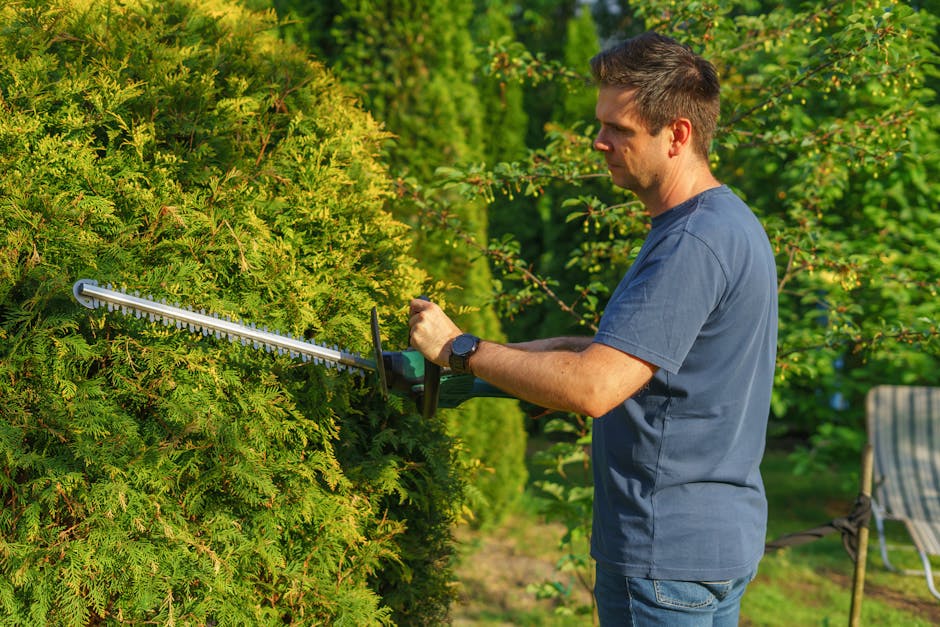
Beginner guide to pruning shrubs like professional gardeners
If you've ever stood in front of an overgrown shrub with secateurs in hand and thought, "Where on earth do I start?", you're in the right place. This beginner guide to pruning shrubs like professional gardeners will walk you through the basics in plain English, then take you a step further into the kind of judgement calls experienced gardeners make every week. Pruning isn't just about making plants look tidy. Done well, it keeps shrubs healthier, better shaped, and more reliable year after year. Done badly, well... you can end up with bare stems, weak regrowth, or a plant that sulks for half a season.
Let's face it, most beginners don't need fancy botany jargon. They need a practical method, a few clear rules, and the confidence to make the first cut. That's what this article is built to give you.
Why Beginner guide to pruning shrubs like professional gardeners Matters
Pruning is one of those garden tasks that looks simple from a distance. Snip a bit here, trim a bit there, job done. But shrubs respond to pruning in different ways depending on their species, age, growth habit, and even how long they've been left alone. That's why a proper beginner guide matters. It helps you avoid guessing.
Professional gardeners approach shrub pruning with a plan. They look at shape, structure, flowering time, and plant health before they touch the stems. That mindset makes all the difference. A tidy hedge and a healthy shrub are not always the same thing, and beginner pruners often learn that the hard way. To be fair, nearly everyone overcuts once in the beginning.
If you already use garden maintenance services for seasonal upkeep, you may have noticed how much calmer a border looks when pruning is done at the right time and in the right way. It's not dramatic. It's just better gardening. The plant keeps its natural form, light reaches the interior growth, and you avoid the ugly "cut back to stubs" look that so many shrubs get after a rushed weekend tidy-up.
There's also a practical side. Shrubs that are lightly and regularly pruned are often easier to manage than shrubs left for years and then hacked back in one go. That matters if your garden has limited space, shared boundaries, or a mix of flowering and evergreen plants that all need slightly different treatment. In a small London garden, especially, a bad pruning decision can be visible from the kitchen window for months. Annoying, really.
How Beginner guide to pruning shrubs like professional gardeners Works
At its core, pruning is the controlled removal of selected stems, branches, or spent growth to improve the shrub's shape, health, flowering, and size. Professionals don't just cut at random; they prune with a purpose. They usually start by asking three questions: What type of shrub is this? What is the goal of the cut? What time of year is it?
The answer to those questions decides whether you should thin, shape, reduce, or renovate the shrub. Thinning means removing some stems at the base or back into the plant to open it up. Shaping is about refining the outline. Reduction lowers the overall size without destroying the shrub's structure. Renovation is a harder reset for tired, woody specimens and should be handled with more care.
Professional gardeners also work with the plant's growth pattern. Some shrubs flower on old wood, meaning they set buds the previous year. Others flower on new wood, meaning they bloom on fresh growth produced this season. If you prune at the wrong moment, you can remove the next display before it even starts. That's one of the big reasons beginners need more than "just trim it in spring" advice.
Another thing pros consider is how the plant will look in six months, not just how it looks today. That may sound obvious, but it changes everything. A clean cut near a healthy outward-facing bud will encourage growth in a chosen direction. A sloppy cut in the wrong place can leave an awkward stub or push new growth back into the centre of the shrub, where it becomes crowded and weak.
In practice, professional pruning is a mix of observation, restraint, and a steady hand. The best gardeners often cut less than beginners expect. That's not hesitation; it's judgement.
Key Benefits and Practical Advantages
Good pruning gives you more than a neat finish. It creates long-term structure and keeps shrubs functioning as part of the garden, not just occupying it.
- Better flowering: The right cut can encourage more buds, stronger blooms, and more even performance across the shrub.
- Healthier growth: Removing dead, damaged, or crossing stems improves airflow and reduces congested interiors.
- Improved shape: Pruning keeps shrubs from becoming leggy, lopsided, or top-heavy.
- More light in the border: When shrubs are opened up properly, nearby plants benefit too.
- Less future work: Regular pruning is usually easier than rescuing years of neglected growth.
There's also a subtle visual benefit that people often miss. A well-pruned shrub tends to sit more naturally in a garden. You notice the outline, but you don't notice the cuts. That is the professional standard, really: the plant should look as if it simply grew that way.
For homeowners planning wider garden improvements, careful shrub pruning can support other work too. If a border is being reshaped, or you're thinking about nearby landscaping, shrubs can either frame the space beautifully or clutter it badly. The right pruning keeps the whole garden composition working together.
Who This Is For and When It Makes Sense
This guide is for anyone who wants to prune shrubs with more confidence: first-time gardeners, new homeowners, tenants looking after a shared garden, or anyone who has inherited a mature planting scheme and doesn't want to damage it. If you've ever looked at a hedge or border shrub and thought, "I think I need to do something, but I'm not sure what," then this is for you.
It also makes sense if your shrubs are:
- becoming too wide for the space
- flowering less than they used to
- growing woody at the base
- blocking paths, windows, or light
- looking messy after winter damage
- showing dead, rubbing, or crossing stems
On the other hand, if a shrub is very large, badly neglected, or close to boundaries, sheds, fences, or hard landscaping, you may want to step back and assess the risk before cutting. Sometimes the smartest move is to do a light tidy and plan a gradual reduction over a few seasons. That is far kinder to the plant. And your back, if we're being honest.
Some people are happy pruning small ornamental shrubs themselves but prefer to leave taller or awkwardly placed specimens to a professional, especially where access is awkward or there's a safety concern. That's a sensible line to draw.
Step-by-Step Guidance
Here's a practical method you can use on many common shrubs. It's not a one-size-fits-all magic trick, but it is a solid starting point.
-
Identify the shrub and its flowering habit.
Before you cut, work out whether the shrub flowers on old wood or new wood. If you don't know, look for buds, last season's flower remains, or the plant's general growth pattern. When in doubt, prune lightly rather than heavily.
-
Check the plant from all sides.
Walk around it. Look from above, below, and the front of the border. You're checking for dead stems, crossing branches, congested areas, and any obvious shape problems. Professionals spend time on this part. It saves mistakes later.
-
Remove dead, diseased, or damaged growth first.
This is the safe starting point. Cut back to healthy tissue or to the base where needed. If a stem is clearly dead, it won't help the plant no matter how much you trim the rest.
-
Take out weak or rubbing stems.
Where branches cross or rub together, choose the stronger, better-placed stem and remove the other. This improves structure and airflow. It also prevents wounds from repeated friction.
-
Shorten long stems carefully.
Make each cut just above a healthy bud or side shoot that faces the direction you want new growth to take. Don't leave a long stub. Don't cut so close that you damage the bud either. A neat, angled cut is usually enough.
-
Step back and assess the shape.
This is where you avoid overdoing it. Pause. Look. Then cut a little more only if needed. The shrub should still feel balanced and open, not shaved flat or oddly lopsided.
-
Tidy up and clear debris.
Collect the cuttings as you go. It keeps the area safe and gives you a better view of the plant. If the amount of material is larger than expected, services like garden clearance can be useful after a big reshape or seasonal tidy.
Here's the plain version: start with dead wood, then weak growth, then shape the plant gradually. If you keep that sequence in mind, you'll already be ahead of many beginners.
Expert Tips for Better Results
Professional gardeners rarely rely on force. They rely on timing, small adjustments, and a good eye. That's the bit that takes practice, but there are a few habits that make a big difference quickly.
Prune with the plant's natural shape in mind. Rounded shrubs should stay rounded. Upright shrubs should keep some vertical movement. If you fight the plant too hard, it starts to look artificial, and the regrowth usually makes that worse rather than better.
Use the "less now, more later" rule. Beginners often try to fix everything in one go. Resist that. You can always take more off, but you cannot stick it back on. A light second pass after you step back is far safer than one heavy, impatient cut.
Watch the inside of the shrub. The outer surface is usually the easiest part to trim. The real health work happens inside. If the interior is dark, congested, or full of tangled old stems, selectively thinning a few of them can transform the plant's vigour.
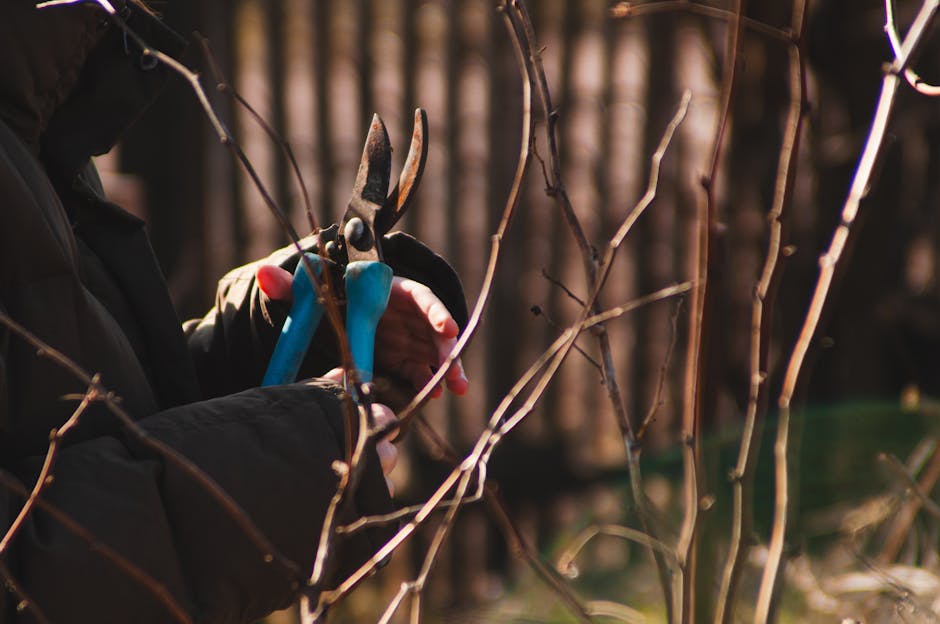
Match your tools to the stem thickness. Using secateurs on thick woody branches can crush tissue. Using loppers on thin stems can feel clumsy. The cut should be clean and decisive. That little snap sound? You want a neat one, not a desperate crunch.
Prune after a dry spell if possible. Damp conditions can make some plants more vulnerable to disease entry, and working in wet, heavy soil is just unpleasant. Even a cold, bright morning can be easier than a soggy afternoon in January. You know the type.
If you're regularly keeping shrubs, hedges, lawns, and borders in shape, you might find broader support useful too. A well-planned routine with hedge trimming and lawn mowing can make the whole garden feel more cared for, and pruning then becomes part of a rhythm rather than a rescue job.
Small note, but an important one: a good cut is often boring to look at. That's actually a compliment. If the result looks too dramatic, you may have done too much.
Common Mistakes to Avoid
Most pruning mistakes are not about lack of enthusiasm. They're about rushing, guessing, or copying a general rule that doesn't fit the shrub in front of you.
- Cutting at the wrong season: This is the classic one. Some shrubs lose next year's flowers if pruned at the wrong time.
- Shearing everything into a ball: It may look tidy for a few weeks, but it can leave the inside hollow and weak.
- Removing too much at once: Heavy pruning can shock the plant and trigger messy regrowth.
- Leaving stubs: Stubs dry out and can look ugly for a long time. They're not neat, despite appearances.
- Forgetting the base: If the bottom becomes bare and the top stays dense, the shrub loses balance.
- Using blunt tools: Ragged cuts heal poorly and make the job harder than it needs to be.
- Not cleaning tools between plants: It sounds fussy, but hygiene is a sensible habit, especially if a plant shows disease.
A common beginner worry is, "What if I ruin it?" Fair question. The reassuring answer is that many shrubs tolerate light, thoughtful pruning much better than people expect. What they do not tolerate well is repeated hard cutting without a plan. So if you're unsure, go gently. Seriously.
Tools, Resources and Recommendations
You do not need a full professional kit to prune shrubs properly, but you do need the right basics. Cheap tools can work for a while, though they often make pruning less precise and more tiring. If your hands ache after ten minutes, that's a sign the equipment is fighting you.
| Tool | Best for | Why it helps |
|---|---|---|
| Bypass secateurs | Small live stems and general shaping | Clean cuts and better control on thinner growth |
| Loppers | Medium woody stems | Extra leverage for branches too thick for secateurs |
| Pruning saw | Thicker mature stems | Makes removal safer and more precise than forcing cuts |
| Gloves | General protection | Protects hands from thorns, splinters, and sap |
| Disinfectant or cleaning wipes | Tool hygiene | Useful when moving between plants or after diseased material |
One very practical tip: keep your secateurs sharp and clean. A sharp blade is safer and more accurate than a blunt one because it requires less force. That alone makes pruning feel more controlled.
If pruning is part of a broader garden refresh, it may make sense to consider professional support for related tasks too. Some gardens need a full seasonal reset, especially after long neglect or storm damage, and services such as services overview can help you understand how different garden tasks fit together. You may also want to review insurance and safety and the company's health and safety policy if you're assessing a contractor for larger work.
Law, Compliance, Standards, or Best Practice
For most home gardeners, pruning shrubs is straightforward and not heavily regulated in itself. Still, there are sensible standards and good practice points to keep in mind, especially in the UK where gardens often sit close to neighbours, paths, fences, public highways, and mature trees.
If a shrub overhangs a boundary, hangs near a pavement, or creates visibility issues, think carefully before cutting. In shared or rented properties, check permissions before doing major pruning. If the plant is protected, part of a conservation area, or tied to a planning condition, extra care is needed. It's always better to pause than to make a cut you later regret.
Best practice also means working safely. Use stable footing, especially on uneven ground or wet grass. Don't lean dangerously into dense shrubs just to reach one branch. If the job starts to feel awkward, stop and reset. That tiny bit of caution can prevent a lot of trouble.
For larger gardens or sites with mixed vegetation, pruning often sits alongside other maintenance tasks. Coordinating it with general upkeep, boundary care, and waste removal can be much easier than treating each job as a one-off scramble. That's one reason many householders bundle pruning into planned garden maintenance rather than waiting until something looks unmanageable.
Also, if you produce a lot of green waste, disposing of it responsibly matters. Many gardeners now think about reuse, composting, and lowering waste where they can. It is a small thing, but it adds up over the year. If sustainability matters to you, the page on recycling and sustainability is worth a look when you're thinking about how garden waste is handled.
Options, Methods, or Comparison Table
Not every shrub should be pruned in the same way. Choosing the method depends on the plant's condition and the result you want. This comparison should help you avoid the "one technique for everything" trap.
| Method | Best used when | Pros | Watch out for |
|---|---|---|---|
| Light shaping | Annual tidy-up, healthy shrubs | Preserves form, low stress, easy for beginners | Can be too timid for badly congested plants |
| Thinning | Shrubs that are dense inside or crossing over | Improves airflow, keeps natural outline | Needs judgment so the shrub does not look sparse |
| Reduction | Plant is too large for the space | Brings size back under control | Heavy reduction can expose bare inner wood |
| Renovation pruning | Old, neglected, woody shrubs | Can revive tired plants over time | More risk, often best done gradually |
| Seasonal deadheading | After flowering on suitable shrubs | Keeps plants tidy and directs energy use | Not a substitute for real pruning |
For many beginners, light shaping plus selective thinning is the safest starting point. If the shrub is outgrowing its place, then a reduction may be needed, but it should be thoughtful rather than drastic. A hard "chop and hope" approach is rarely the right answer. Truth be told, it's usually the wrong one.
Case Study or Real-World Example
Here's a very typical scenario. A front-garden shrub has been left untouched for two or three seasons. It still flowers, but only around the top edges. The lower half is woody, the centre is crowded, and one side is leaning into the path. The owner wants it neater, but doesn't want to lose the plant.
The professional approach would usually be:
- remove dead and broken stems first
- thin out a handful of the oldest stems at the base
- shorten the longest shoots to an outward-facing bud
- keep the outline natural, not square or over-sheared
- stop before removing too much foliage in one session
The result is not an instant transformation into a show garden. That would be a bit unrealistic. Instead, the shrub looks lighter, healthier, and more deliberate. Over the next season, new shoots start filling the spaces where old congested growth was removed. The border breathes again, and the path feels properly open.
That is the kind of progress beginners should aim for: controlled improvement, not dramatic surgery. If the plant has already become part of a larger site issue, perhaps after a bigger garden clear-out, then connecting the pruning with garden clearance can make the whole space easier to manage.
Practical Checklist
Use this quick checklist before you make your first cut. It keeps the job calmer and helps you avoid rushing.
- Identify the shrub type if possible
- Check whether it flowers on old wood or new wood
- Inspect for dead, damaged, or diseased stems
- Look for rubbing, crossing, or crowded branches
- Have clean, sharp tools ready
- Plan a light first pass rather than a heavy cut
- Make cuts just above a healthy bud or side shoot
- Step back after each stage and assess the shape
- Clear up cuttings as you go
- Stop if the plant is becoming too sparse or uneven
If you can tick those boxes, you're already pruning with far more care than many casual gardeners. Good enough is often not enough in gardening, but thoughtful is usually enough to start with.
Conclusion
Pruning shrubs like a professional gardener is really about three things: seeing the plant clearly, cutting with restraint, and understanding the long-term shape you want. Once you get comfortable with that, the job becomes much less intimidating. You stop guessing and start making small, confident decisions that the shrub can actually benefit from.
Beginners do not need perfection. They need a repeatable method, a little patience, and the willingness to leave some growth alone when it's better for the plant. That's the real shift. Not fancy technique. Good judgement.
And if the job feels bigger than expected, or you're dealing with a neglected border, awkward access, or a garden that needs a broader reset, it's perfectly reasonable to get help from people who do this every day. A well-kept garden is easier to live with, easier to enjoy, and far less stressful when the shrubs aren't staging a takeover.
Get a free quote today and see how much you can save.
A tidy shrub border on a cool morning can change the feel of the whole garden. Little by little, that calm adds up.
Frequently Asked Questions
How do I know if I should prune a shrub now or wait?
Start by checking whether the shrub has finished flowering, whether it looks overgrown or damaged, and whether it is actively pushing new growth. If you're unsure, a light tidy is safer than a major cut. Waiting is often smarter than forcing a big prune at the wrong time.
What is the difference between pruning and trimming?
Trimming usually means lightly cutting back the outer growth to keep a neat shape. Pruning is broader and more selective, often involving removal of dead, crossing, crowded, or overlong stems. In practice, gardeners often use both approaches depending on the shrub.
Can I prune all shrubs in spring?
No, not really. Some shrubs are best pruned after flowering, while others respond better to late winter or early spring. The correct timing depends on the species and whether it flowers on old or new wood. If you prune everything the same way, you may lose blooms.
How much of a shrub can I remove at once?
For beginners, less is usually better. Light shaping and selective thinning are usually safer than heavy reduction. If a shrub is badly neglected, it may be better to reduce it gradually over more than one season rather than taking too much in one go.
What tools do I need to prune shrubs properly?
At minimum, you'll want bypass secateurs, loppers for thicker stems, gloves, and something to clean the tools. A pruning saw helps for mature woody growth. Sharp, clean tools make a bigger difference than most people expect.
Why does my shrub look bare after pruning?
That can happen if too much outer growth was removed or if the plant was already sparse inside. Some shrubs recover well, but others need a gentler approach. The best fix is usually to prune more lightly next time and focus on selective thinning rather than stripping back the whole plant.
Is it okay to prune shrubs near a fence or path?
Yes, but you should take extra care with boundaries, access, and safety. Make sure you are not overstepping into a neighbour's side, and avoid awkward overreaching. If the shrub is large or close to a hard surface, a careful, staged approach is much better.
What should I do with the cuttings?
Small amounts can often be composted if the material is healthy. Bigger volumes are easier to gather and dispose of as green waste. If you've done a more substantial cut, arranging proper removal can save a lot of mess and time.
Can pruning help a sick-looking shrub recover?
Sometimes, yes. Removing dead, damaged, or congested growth can improve airflow and help the plant focus on healthy stems. But pruning is not a cure-all. If the shrub has a serious disease, root issue, or ongoing pest problem, pruning alone won't solve it.
What is the biggest mistake beginners make?
Cutting too much, too fast, usually without considering the shrub's flowering habit. The second biggest mistake is treating every shrub like a hedge. A shrub is not just a shape to be trimmed; it's a living plant with its own growth pattern.
How do professional gardeners decide where to cut?
They look for healthy buds, remove weak or crossing stems first, and keep the natural structure in mind. The cut is usually made just above a bud or side shoot that points in the right direction. Professionals are careful because every cut influences future growth.
When should I call in professional help?
If the shrub is very large, badly neglected, close to a boundary, difficult to access, or possibly protected in some way, professional help is worth considering. It can also be sensible if you want the rest of the garden refreshed at the same time through planned garden maintenance rather than trying to solve everything yourself in one weekend.