Gardeners Temple Recycling and Sustainability
 Gardeners Temple is dedicated to creating an eco-friendly waste disposal area that serves gardeners, allotment holders and local green-space stewards. Our site blends practical on-site recycling with education and community action so that every seed packet, pruning scrap and pot can be managed responsibly. We describe a workable sustainable rubbish gardening area—a green hub for sorting, reuse and safe disposal that reduces landfill and supports local circular economy activity.
In the heart of our site we maintain clear separation streams aligned with the boroughs' approach to waste separation: organic garden waste, mixed dry recycling, and reusable items for redistribution. We work with borough collection guidelines for compostables and plastics and operate signposted bays to encourage correct drop-off. The Gardeners Temple model emphasises low-contamination recycling so that glass, paper, metals and bio-waste leave the site in recyclable condition, improving recycling rates and lowering processing costs.
![A young woman with long brown hair, dressed in a red and white checked shirt, black wellington boots, and a wide-brimmed straw hat, is kneeling on a well-maintained lawn in a garden. She is planting or arranging yellow and white flowers in a shallow terracotta flower bed, which is positioned in a landscaped outdoor space surrounded by lush green shrubs and small trees. The garden features a grassy area with a mix of dense foliage and a few flowering plants, set against a clear, sunny sky. The scene captures a moment of outdoor gardening activity, highlighting the natural textures of the soil, leaves, and flowers, with daytime lighting emphasizing the vibrant colours and fresh appearance of the garden. This setting reflects typical gardening and landscaping practices supported by Gardeners Temple’s services in the local area near [POSTCODE], promoting sustainable and environmentally friendly outdoor maintenance in the town of [TOWN].](/pub/_photos/gardening/f1996772544.jpg) We set measurable goals for our green waste hub: a recycling percentage target of 70% by 2030 for all site-managed materials, with interim targets of 55% by 2026. These milestones cover both diversion from landfill and reuse of materials inside the community. To reach them we monitor tonnages of organics turned into compost, volumes of soil and pot re-use, and the proportion of items redirected to repair, donation or recycling channels—making our sustainable rubbish gardening area accountable and results-driven.
We set measurable goals for our green waste hub: a recycling percentage target of 70% by 2030 for all site-managed materials, with interim targets of 55% by 2026. These milestones cover both diversion from landfill and reuse of materials inside the community. To reach them we monitor tonnages of organics turned into compost, volumes of soil and pot re-use, and the proportion of items redirected to repair, donation or recycling channels—making our sustainable rubbish gardening area accountable and results-driven.
Local Transfer Stations and Logistics
Gardeners Temple works closely with nearby municipal transfer facilities and community recycling hubs to ensure materials are handled at scale. We routinely consolidate sorted loads for delivery to local transfer stations such as the Northside Transfer Station and Riverside Transfer Hub (municipal transfer depots), reducing the number of journeys and ensuring each load goes to the right processing stream. This partnership network helps our eco-friendly waste disposal area connect to municipal sorting centres and organics processors efficiently.
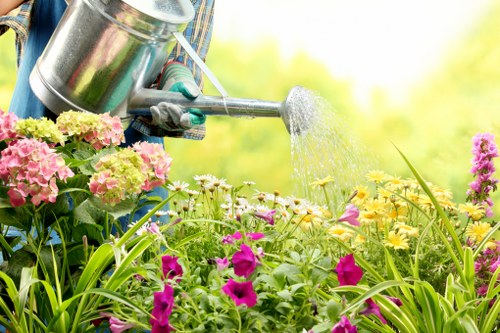 Partnerships with charities and community organisations are central to our sustainability strategy. We redistribute serviceable tools, pots and surplus plants through local reuse charities and social enterprises, and collaborate with community composting projects to convert green waste into soil amendment for allotments. These relationships extend the life of materials, deliver social benefit and reduce demand for virgin materials — a core aim of a thriving sustainable rubbish gardening area.
Operational sustainability also comes from the way we move materials. Our logistics plan uses low-carbon vans and route optimisation software to cut emissions. We prioritise electric vehicles where charging infrastructure permits and maintain a contingent fleet of hybrids. This reduces the carbon footprint of waste transfers between our site and municipal transfer stations, and helps the whole local supply chain transition to low-emission transport.
On-Site Practices and Community Benefits
On site, we provide clear bays for botanically safe compostables, woody material and mixed recyclables, along with a secure area for items destined for charity partners. Staff and volunteers run short induction sessions to show correct sorting so contamination stays low. Our approach links the practical needs of gardeners with wider borough recycling policies, making the Gardeners Temple a model small-scale green waste disposal area that complements kerbside collections.
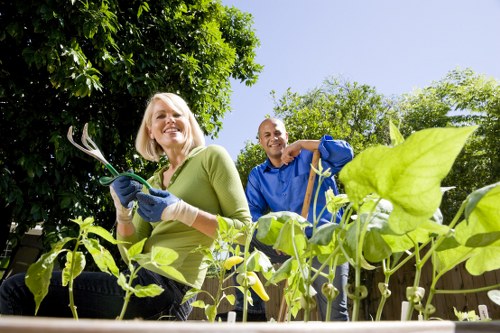 We maintain active partnerships with local charities and reuse centres to give serviceable gardening equipment a second life. Items that cannot be repaired are responsibly recycled through approved processors; reusable materials are offered first to community groups and then to registered charities. To make impact explicit we publish regular summaries of diverted tonnage and the social value created by redistribution, highlighting how a sustainable rubbish gardening area can be both environmentally and socially regenerative.
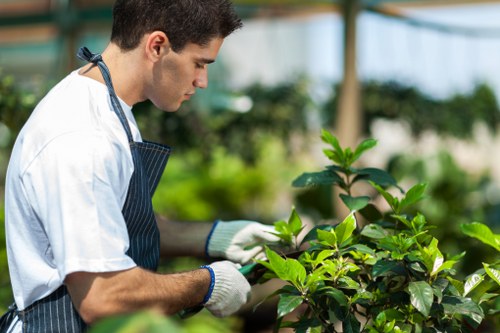 Practical features of our low-carbon, eco-conscious waste area include sheltered sorting bays, a shaded composting zone, secure storage for donated items and electric vehicle charging points where feasible. We also run seasonal campaigns—seed swaps, pot reclamation days and compost-share distributions—that keep materials flowing locally. By combining smart logistics, charity partnerships and clear onsite separation we increase recycling rates and reduce greenhouse gas emissions from waste handling.
Next steps: Gardeners Temple will keep refining its practices to meet our recycling percentage target, expand links with municipal transfer stations, scale charity partnerships and grow our fleet of low-carbon vans. Our mission remains simple: to run a resilient, community-centred eco-friendly waste disposal area and a practical, well-managed sustainable rubbish gardening area that supports greener neighbourhoods and stronger local economies.
Key commitments:
- Hit a 70% recycling and reuse rate for site-managed materials by 2030.
- Strengthen logistics to reduce journeys to transfer stations and increase electric van mileage.
- Deepen charity partnerships for reuse and community composting.
- Align on-site sorting with borough waste separation policies to ensure high-quality streams.
Gardeners Temple believes that sustainable gardening and responsible waste are inseparable. By investing in infrastructure, collaborative networks and low-carbon transport we make it easier for gardeners to do the right thing—turning green waste and unwanted items into resources for the future.

