Guide to sustainable garden practices for composting and recycling
If your garden has ever left you staring at a pile of grass cuttings, hedge trimmings, and old plant pots wondering what on earth to do next, you are in the right place. A practical Guide to sustainable garden practices for composting and recycling is not about being perfect; it is about making better choices, one rakeful at a time. Done well, it can cut waste, improve your soil, and make routine garden care feel a lot more thoughtful. And, to be fair, it can save you a few trips to the tip too.
This guide walks through how composting and recycling actually work in the garden, what to keep, what to separate, common mistakes to avoid, and the small habits that make a big difference over a season. If you already use garden recycling and sustainability practices, you will find ways to tighten them up. If you are starting from scratch, even better.
Think of this as a grounded, garden-friendly handbook: practical first, jargon second. No fluff. No eco-guilt. Just workable habits that fit real life, British weather, and the kind of mixed garden waste most homes produce.
Why Guide to sustainable garden practices for composting and recycling Matters
Sustainable gardening matters because gardens generate a surprising amount of organic waste. A few mowings, a couple of pruning sessions, some spent bedding plants, and suddenly there is a heap that needs sorting. If all of that goes into mixed waste, you lose useful material that could have returned to the soil. Composting turns a problem into a resource. Recycling keeps reusable materials in circulation. Both reduce the amount of waste leaving your home and both support healthier, lower-impact garden maintenance.
There is also a quieter benefit that people often notice after a few months: the garden starts to feel more self-sustaining. Leaves, cuttings, and kitchen scraps become compost. Compost feeds beds and borders. Stronger soil holds moisture better. Plants cope more easily through dry spells and cold snaps. It is not magic, of course, but it is close enough on a frosty March morning when you are trying to revive a border that looks a bit sorry for itself.
For many households, sustainable gardening is also a way to make everyday maintenance less wasteful. If you regularly use garden maintenance support, you may already be producing material that can be sorted more thoughtfully. Even the way you handle clippings from lawn mowing or trimmings from hedge trimming can shift the balance from disposal to reuse.
Expert summary: The best sustainable garden systems are simple, repeatable, and realistic. If a method only works on a perfect summer weekend, it is probably not the right method.
How Guide to sustainable garden practices for composting and recycling Works
At its heart, sustainable garden composting and recycling is a sorting and recovery system. You decide which materials can be decomposed safely, which can be reused, and which should be recycled through the proper route. In practical terms, that means separating green waste, woody material, plastics, metals, ceramics, and anything contaminated with chemicals or disease.
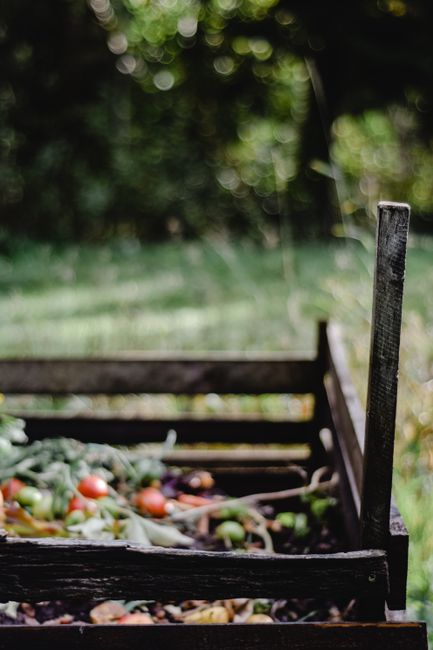
Composting works best when you balance materials that are rich in nitrogen with materials that are rich in carbon. In plain English, that means mixing soft, wet material such as grass clippings, fruit peelings, and fresh weeds with dry, brown material like shredded prunings, cardboard, dry leaves, or untreated paper. Too much green matter and the pile turns slimy. Too much brown matter and it sits there looking offended, doing very little.
Recycling works differently. Recyclable garden materials are usually those that can be safely processed again, such as clean plant pots, some metal items, and certain rigid plastics, depending on local collection rules. The key is cleanliness and separation. Muddy trays, contaminated bags, and mixed rubbish often spoil the batch, which is frustrating but common.
The whole system gets easier once you think in categories:
- Compost it: fruit and vegetable peelings, soft plant waste, leaves, untreated cardboard, tea bags if suitable for your setup, and grass cuttings in moderation.
- Reuse it: sturdy pots, canes, plant labels, netting, and some garden containers if still serviceable.
- Recycle it: approved clean materials that your local system accepts, plus packaging and certain garden-related plastics where permitted.
- Dispose of carefully: diseased plants, invasive species, treated timber, contaminated soil, and anything with chemical residue.
If you are tackling a bigger clear-out, it helps to align your waste sorting with a proper garden clearance plan so that recyclable, compostable, and non-recoverable materials do not end up mixed together out of convenience.
Key Benefits and Practical Advantages
The obvious benefit is less waste. But the real value goes deeper than that. Compost improves soil structure, supports beneficial soil life, and can help retain moisture. Recycled and reused garden materials reduce the need to buy replacements all the time. Over a year, that can make garden care feel leaner and more organised.
Here are the most practical advantages people notice:
- Healthier soil: Homemade compost adds organic matter, which helps soil hold nutrients and water more effectively.
- Lower waste costs and fewer journeys: Less material to dispose of means fewer bags, less labour, and less clutter.
- Better plant performance: Plants grown in well-fed soil often recover faster after pruning or seasonal stress.
- Clearer garden routines: Once you have a sorting rhythm, tidy-up jobs get quicker and less messy.
- Better use of space: Compost bays, recycling boxes, and reuse zones stop tools and waste from spreading across the garden.
There is also a subtle design benefit. A sustainable garden is usually a tidier garden. Not obsessively tidy, just well-run. The kind where you know which corner holds the compost heap, which bag stores reusable canes, and where the extra gravel or bark chippings have gone. Small thing, big relief.
If your outdoor space also needs reshaping or structural work, sustainable thinking can sit alongside landscape gardening or broader landscaping decisions, especially when choosing permeable materials, reusable edging, or low-waste finishes.
Who This Is For and When It Makes Sense
This approach makes sense for almost anyone with a garden, but it is especially useful if you:
- generate regular green waste from mowing, pruning, or deadheading
- want to reduce trips to disposal sites
- are trying to improve poor or tired soil without relying heavily on purchased feed
- have a small courtyard, a medium family garden, or a larger plot with seasonal waste spikes
- prefer practical, lower-cost habits over high-maintenance systems
It is also a good fit if you manage your garden alongside busy family life. Truth be told, most people do not have the time or patience for a complex compost setup. You need something that works on wet Tuesday evenings and not just sunny Saturdays. A simple two-bin system and sensible recycling habits often do more than an elaborate setup that no one maintains.
And if the garden has become a bit of a tangle, especially after winter or a long stretch without maintenance, this is when sustainable sorting matters most. Before anything gets bagged and removed, pause and ask: can this be composted, reused, or recycled? That pause is usually enough to change the outcome.
Step-by-Step Guidance
Here is a practical way to build a sustainable garden routine without making it complicated.
1. Sort your garden waste at source
Keep separate containers or zones for compostable matter, recyclable items, reusable tools and supplies, and residual waste. This prevents contamination. It also saves a lot of sorting later, which is where people usually lose momentum.
2. Start with the compostable material
Add a mix of soft green matter and dry brown matter. If you only have grass clippings from a mow, spread them thinly and mix them with shredded cardboard or dry leaves. A good compost heap should feel damp like a wrung-out sponge, not soggy or bone dry.
3. Chop larger material down
Smaller pieces break down faster. Woody stems, thick prunings, and long vines should be cut down before they go on the heap. If you are dealing with branches, timber offcuts, or substantial woody waste, look at whether they belong in compost, mulch, or a separate removal stream.
4. Reuse what can be reused
Before recycling, check whether items can simply be cleaned and stored for later. Pots, trays, labels, supports, and some decorative items often have a second or third life. It is not glamorous, but it is effective. The humble plant pot is a survivor.
5. Recycle only clean, accepted items
Follow local collection rules carefully. Remove soil, rinse muddy containers if needed, and keep non-accepted items out of recycling. A few dirty pots can spoil a whole batch. That is the annoying bit, yes, but it is worth it.
6. Use compost in the right place
Finished compost is best used as a soil improver, mulch, or top dressing depending on how mature it is. Young, chunky compost can still be useful around shrubs or under hedges, while finer material is better around beds and borders. Avoid overapplying. More is not always better.
7. Review the system each season
Autumn usually brings leaves and cutbacks. Spring brings pruning and planting debris. Summer brings grass clippings and deadheading. Winter tends to expose everything that was not sorted properly. A quick seasonal reset keeps the whole thing working.
If your maintenance schedule is already busy, linking this routine to the wider services overview can help you see how mowing, trimming, and clearance all feed into a more circular garden system.
Expert Tips for Better Results
After a while, you start noticing the small things that make composting and recycling much more reliable. These are the details that matter in real gardens, not just in neat diagrams.
- Keep a dry stash nearby: Store a bag of shredded cardboard, dry leaves, or untreated woody chippings so you can balance wet green waste whenever you need to.
- Build in airflow: Compost needs oxygen. A compacted heap slows down and can smell a bit sour. Turning it occasionally helps.
- Do not overfeed one material: Huge piles of one thing, especially grass, are risky. Mix and layer instead.
- Label your containers: It sounds obvious, but when several people use the garden, labels stop a lot of accidental muddling.
- Make the easy choice the right choice: Put compost and recycling containers where waste is generated, not at the far end of the garden where people cannot be bothered walking.
- Use leaves wisely: Fallen leaves are excellent in compost or as leaf mould. They are not waste just because they look messy for a week or two.
A small personal note: on one damp autumn morning, the difference between a messy border and a manageable one was literally two sacks of sorted leaves and five minutes of decision-making. That was it. Not a heroic effort. Just attention to the materials already there.
If you work around hedges, shrubs, or trees, consider timing your pruning so that your compost system can absorb some of the lighter material while heavier wood is dealt with separately through tree lopping and removal where appropriate. That keeps the whole process cleaner and safer.
Common Mistakes to Avoid
Most composting problems come from a few repeated habits. The good news? They are easy to fix once you spot them.
- Adding diseased plants: If a plant has signs of disease, be cautious. Some material is better removed than composted, especially if you are not sure your heap gets hot enough.
- Mixing in treated wood or glossy paper: These are not suitable for normal compost and often do more harm than good.
- Using too much grass at once: This is one of the most common mistakes. It compacts, smells, and becomes anaerobic.
- Ignoring weeds with seed heads: Some weeds can survive weak composting conditions and come back to haunt you. Annoying, but true.
- Recycling dirty containers: Soil and residue can make recycling less effective or unusable.
- Leaving compost uncovered in bad weather: Heavy rain can wash nutrients through the pile. Covering helps, especially in winter.
Another easy mistake is trying to make everything part of composting. Not everything belongs there. Some waste should be recycled, some reused, and some removed. Knowing the difference is part of sustainable practice, not a failure of it.
Tools, Resources and Recommendations
You do not need a shed full of specialist kit to start, but a few good tools make sustainable gardening much easier.
| Item | Best use | Why it helps |
|---|---|---|
| Compost bin or heap area | Breaking down green and brown waste | Keeps waste tidy and speeds up decomposition when managed well |
| Fork or aerator | Turning compost | Improves airflow and prevents compacting |
| Secateurs or loppers | Chopping prunings | Smaller pieces compost faster and are easier to handle |
| Storage tubs or crates | Reusable items and clean recyclables | Stops mixed waste from becoming one unhelpful pile |
| Shredder or chipper | Woody material and branches | Converts bulky material into useful mulch or compost feedstock |
| Wheelbarrow or garden sack | Moving material around | Makes sorting and transporting waste much less of a chore |
Useful materials to keep on hand include dry cardboard, fallen leaves, untreated paper, and some coarse woody cuttings for structure. If you garden regularly, a simple "brown materials" store is one of the most useful habits you can build. It sounds unexciting. It is. But it works.
For bigger clear-outs or seasonal refreshes, it can help to line up sustainable methods with planned maintenance through garden clearance or ongoing maintenance. That way, pruning, cutbacks, and disposal do not happen in a random rush.
Law, Compliance, Standards, or Best Practice
For most home gardens, sustainable composting and recycling is mainly about following accepted best practice and local collection rules rather than navigating complex regulation. Still, a sensible approach helps keep you on the right side of safety, neighbour relations, and proper waste handling.
In the UK, garden waste should be handled responsibly and separated from general household rubbish where possible. Councils may differ on what they accept for recycling, green waste collections, and bulky items, so it is worth checking the local arrangements before you assume something can go in the bin. I would not rely on guesswork here. That is how mixed loads happen.
Where garden work involves tools, sharp edges, lifting, or tree work, safety matters too. Good practice is to store tools properly, wear suitable gloves and footwear, and avoid handling unknown or contaminated material without care. If you are using outside help, it is reasonable to expect clear processes around safety and responsible disposal. Pages such as health and safety policy and insurance and safety show the kind of standards a professional provider should be thinking about.
If you are hiring support for the wider job, transparency around costs and service scope also matters. It helps to understand what is included, what gets recycled, and how waste is handled. A service with clear pricing and quotes is easier to compare and easier to trust.
Options, Methods, or Comparison Table
There is no single perfect system. The right choice depends on the size of your garden, how much waste you produce, and how hands-on you want to be. Below is a simple comparison to help you choose.
| Method | Best for | Pros | Watch-outs |
|---|---|---|---|
| Open compost heap | Larger gardens with steady waste | Cheap, simple, easy to expand | Can look untidy and needs balance |
| Closed compost bin | Smaller gardens and tidy setups | Neater, warmer, helps retain moisture | Limited capacity, needs turning |
| Wormery | Small spaces and kitchen scraps | Compact and efficient for suitable material | Not ideal for bulky garden waste |
| Green waste recycling collection | Busy households and heavy seasonal cutbacks | Convenient, no need to process on site | Depends on local availability and rules |
| Reuse-and-repair system | Gardens with repeat use of pots, supports, and containers | Reduces purchasing and waste | Needs storage space and a bit of discipline |
In many real gardens, the best option is not one method but a blend. A closed bin for soft waste, a separate area for woody material, and a reuse box for pots and tools is often enough. Simple really. Not always easy, but simple.
Case Study or Real-World Example
Take a fairly typical suburban garden: a lawn, a few borders, a hedge, and a small patio. After a few weeks of growth in late spring, the owner has grass cuttings, hedge clippings, faded bedding plants, a stack of broken pots, and a bag of old ties and labels. In the past, all of that might have gone into mixed rubbish. It is quicker in the moment, sure, but it creates more waste and more frustration later.
In a more sustainable approach, the grass cuttings are mixed thinly with cardboard and leaves for compost. The hedge clippings are chopped, with the soft parts added to the compost and the thicker woody stems set aside for chipping or separate removal. Broken but still usable pots are rinsed and sorted. Labels and ties are checked before reuse or recycling. The result is less waste leaving the property and more useful material kept on site.
What changes most is not the garden itself, but the rhythm. The owner starts thinking a step ahead: where will this material go, and can it serve another purpose? That habit alone tends to cut clutter fast. You notice it when the wheelbarrow stops being a dumping point and becomes a sorting tool. Bit of a small victory, but a real one.
Practical Checklist
Use this quick checklist to keep your garden routine sustainable and manageable.
- Separate compostable, recyclable, reusable, and residual waste at source.
- Keep a steady mix of green and brown compost materials.
- Chop or shred larger garden waste before composting.
- Store dry carbon-rich material for balancing wet waste.
- Rinse and clean recyclable containers before setting them aside.
- Reuse sturdy pots, canes, ties, and other useful items where possible.
- Keep diseased or contaminated material out of the compost heap.
- Cover compost during heavy rain or very wet periods.
- Review what builds up after mowing, pruning, and seasonal cutbacks.
- Use local collection rules to guide what can and cannot be recycled.
If you can do just half of that consistently, you are already ahead of many gardens. No need to make it perfect on day one.
Conclusion
A good sustainable garden system is not about grand gestures. It is about making ordinary jobs a little smarter. Compost what can safely return to the soil. Recycle what can genuinely be processed again. Reuse what still has life in it. And keep the rest moving through the right disposal route, without guilt or muddle.
Once you get into the habit, the garden starts giving back more than it takes. Soil improves. Waste drops. Tidying becomes calmer. Even the rough bits feel more manageable, which is no small thing when the weather turns and the borders look a bit tired.
If you want help turning a one-off clear-up or routine maintenance into something more sustainable, it is worth exploring recycling and sustainability support alongside the rest of your garden care plan. A thoughtful system today makes the next season easier, and that is usually where the real value shows itself.
Get a free quote today and see how much you can save.
Frequently Asked Questions
What is the best way to start composting in a small garden?
Start with a closed compost bin or a tidy corner for a small heap, then add a mix of soft green waste and dry brown material. Keep it simple at first. You do not need a complicated setup to get useful compost.
Can I compost grass clippings from regular lawn mowing?
Yes, but use them in moderation and mix them with dry material like shredded cardboard or leaves. Thick layers of grass alone can become slimy and compact quickly.
What garden waste should not go in compost?
Avoid treated wood, plastics, metal, glass, diseased plants, contaminated soil, and anything with chemical residue. If you are unsure, it is usually safer to keep it out of the heap.
How often should I turn my compost?
There is no fixed rule, but turning it every few weeks can help if you want faster breakdown. If you prefer a slower, low-effort system, occasional turning is still better than none.
What is the difference between composting and recycling in the garden?
Composting breaks down organic material into soil improver. Recycling keeps suitable non-organic items, such as some plastics or metals, in a material loop. Reuse sits between the two and is often overlooked.
Can hedge trimmings be composted?
Soft hedge trimmings can usually go into compost if chopped down and mixed properly. Woody or thicker material may need shredding first or may be better used as mulch or removed separately.
Is homemade compost safe for all plants?
Usually yes, once it is properly matured and broken down. Younger compost can still be useful as a mulch or soil improver, but avoid overapplying it around sensitive plants.
How do I stop my compost smelling bad?
Add more brown material, improve airflow, and avoid overloading it with wet kitchen waste or grass clippings. A sour smell usually means the pile is too wet or too compact.
What should I do with broken plant pots and trays?
First check whether any can be reused. If not, clean them and follow local recycling guidance. Some rigid plastics may be accepted, but it depends on the collection system in your area.
Do I need professional help for sustainable garden waste management?
Not always. Many households can manage it themselves with a simple system. That said, if the garden has a lot of waste, heavy pruning, or a one-off clearance job, professional help can save time and improve sorting.
How do I make sustainable gardening easier to keep up with?
Keep containers close to where waste is created, use labels, store dry brown material nearby, and review your setup seasonally. Small habits beat ambitious plans that nobody maintains.
Can sustainable practices reduce the amount of garden maintenance I need?
They can reduce the mess and improve soil quality, which often makes routine maintenance easier over time. It does not remove the work, but it tends to make the work more efficient and less wasteful.
If you are planning a broader refresh or want to match composting with a more complete outdoor plan, the information on services overview can help you see how the pieces fit together. A garden rarely changes all at once, and that is fine. The better approach is usually the quieter one, built steadily, and built to last.