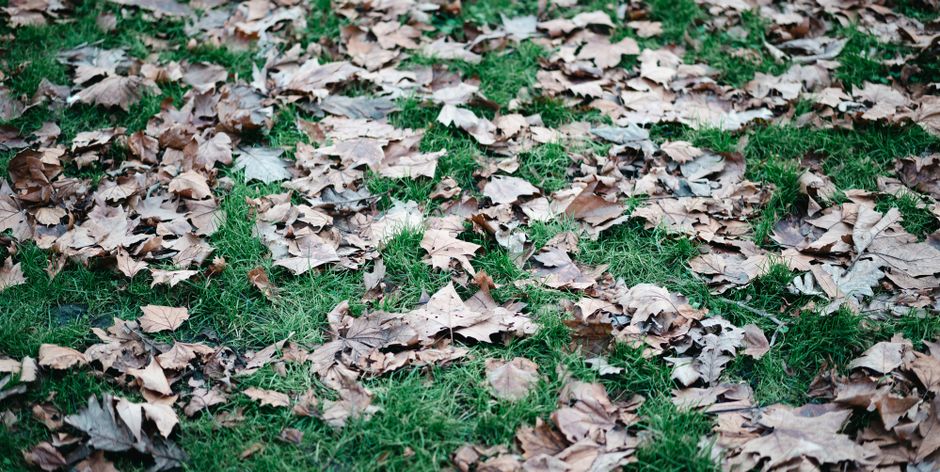
Quick guide to reviving patchy lawns after winter in UK
If your lawn looks thin, patchy, and a bit defeated after a wet British winter, you are not alone. Between frost, heavy rain, shade, and a few months of nobody really wanting to stand on the grass, lawns across the UK can come out looking tired. The good news? Most patchy lawns can be improved without ripping everything out and starting again. This Quick guide to reviving patchy lawns after winter in UK walks you through what to do, when to do it, and how to get better results without wasting time or seed.
Think of it as a sensible spring reset. Not dramatic. Not fussy. Just the right jobs, in the right order, so the grass can recover properly. A little patience helps, of course. But the early steps really do matter.
Quick takeaway: Start by clearing debris, checking drainage, raking out dead grass, and spotting what kind of patch you actually have. Then feed, seed, water, and mow gently. Rush it, and the lawn often comes back patchy all over again.
Table of Contents
- Why patchy lawns after winter matter
- How lawn recovery works
- Key benefits and practical advantages
- Who this is for and when it makes sense
- Step-by-step guidance
- Expert tips for better results
- Common mistakes to avoid
- Tools, resources and recommendations
- Law, compliance, standards and best practice
- Options, methods and comparison table
- Case study or real-world example
- Practical checklist
- Conclusion
- Frequently Asked Questions
Why Quick guide to reviving patchy lawns after winter in UK Matters
Patchy grass is more than a cosmetic issue. It can be a sign that the lawn has suffered from compaction, poor drainage, fungal stress, pet wear, moss competition, or simple winter dieback. In UK gardens, those problems are common because winter weather tends to be damp rather than neatly frozen and dry. That means soil stays wet, foot traffic pushes it down, and grass roots can struggle to breathe.
Once spring arrives, the patchy areas often get worse before they improve. Bare soil warms up quickly, dries out faster, and gives weeds an easy opening. If you leave it too long, the lawn can become a mixed surface of grass, moss, and opportunistic weeds. To be fair, that is not the end of the world. But it does make recovery slower.
There is also a timing angle here. Grass in the UK usually starts growing again as soil temperatures rise in spring. That makes the season ideal for reseeding, top dressing, and light feeding. If you do the work at the right moment, the lawn can thicken up before summer. If you wait until heat and dry spells arrive, the job gets harder and water use goes up.
So why does this matter? Because a little early effort often saves a lot of later frustration. And, frankly, no one wants to spend June looking at bald patches while the barbecue is already out.
How Quick guide to reviving patchy lawns after winter in UK Works
Healthy lawn recovery is not about one miracle product. It is a sequence. First, you remove the things blocking growth. Then you improve the conditions for new grass to establish. Then you protect that new growth while it roots in. Simple enough on paper, but the order matters more than people think.
Here is the short version of how it works:
- Assess the damage so you know whether you are dealing with thin grass, bare patches, compacted soil, moss, or all four.
- Clear away debris and dead material so new shoots can reach light and air.
- Loosen the soil if it is compacted, especially in worn paths or family-use areas.
- Improve the surface with top dressing where needed.
- Seed the bare areas with a grass mix suited to UK conditions.
- Water lightly and consistently so the seed does not dry out.
- Mow carefully once established to encourage thicker growth rather than stressing it.
That is the principle. In practice, the exact approach depends on what the lawn looks like. A patch caused by moss will need a different touch from one caused by dog wear or a waterlogged corner near the shed. Sometimes the fix is as much about the soil as the grass itself. People often miss that bit.
If you want a broader maintenance baseline, it can help to review a regular garden maintenance approach rather than treating the lawn as a one-off rescue job. The better the overall routine, the less dramatic the spring repair usually is.
Key Benefits and Practical Advantages
Reviving a patchy lawn after winter is not just about appearance, though let us be honest, that matters too. A healthier lawn is usually easier to mow, more comfortable underfoot, and better at resisting future wear. There is something quietly satisfying about seeing the grass fill in again. One week it looks sparse; a few weeks later it starts to knit together and soften the whole garden.
Here are the most useful benefits:
- Better curb appeal if the front garden is the first thing people see.
- Less weed invasion because thicker grass leaves fewer gaps for seeds to settle.
- Improved drainage and rooting when the soil is loosened properly.
- More even colour and texture as the lawn grows more uniformly.
- Lower long-term repair effort because early fixes stop problems spreading.
There is also a practical angle for families and pet owners. Thin or muddy areas can become churned up very quickly once children, dogs, or general garden traffic get involved. A patch repair done in spring can prevent a whole season of muddy shortcuts across the same worn strip.
And if the lawn is part of a broader tidy-up, some people combine lawn work with clearance, hedge trimming, or reshaping beds. In that case, a service like garden clearance can make the whole space easier to reset before you start feeding and reseeding.
Who This Is For and When It Makes Sense
This guide is for anyone looking at a tired lawn in March, April, or early May and thinking, "Right, what now?" It is especially useful if you have a typical UK lawn that has had a rough winter rather than a complete failure. If the grass is thin, patchy, mossy, or flattened, this approach usually makes sense.
It is a good fit for:
- homeowners with small or medium lawns
- landlords who want the garden to present well
- busy families dealing with winter wear and muddy corners
- new homeowners who have inherited a lawn in poor shape
- anyone who wants to improve the lawn without re-turfing everything
It may also make sense if you are planning to improve the whole garden over time, not just the grass. A patchy lawn can sit awkwardly next to tidy borders, paving, or new planting. Sometimes the lawn is the bit making everything else look unfinished. A small repair can have a bigger visual impact than expected.
That said, if the lawn is mostly weeds, heavily waterlogged, or suffering from serious shade and root competition from large trees, patch repair alone may not be enough. In those cases, a broader landscaping plan could be smarter. If you are thinking on that scale, have a look at landscape gardening for the kind of wider work that can support a healthier lawn long term.
Step-by-Step Guidance
Here is the part most people really want: what to do, in order. Keep it practical. There is no need to overcomplicate this, but there is a need to be methodical.
1) Wait for the lawn to be workable
Do not start digging around in sodden soil just because the sun came out for half a day. If the ground is squelchy, you will compact it further. Walk on it only when it can handle light pressure without leaving deep footprints. In many UK gardens, that is a late-spring or early-spring judgement call rather than a fixed date.
2) Rake out dead grass, moss, and debris
Use a spring-tine rake or lawn rake to lift dead material and open the surface. You are not trying to scalp the lawn. You are just removing the build-up that blocks light and air. If you hear the rake catching and dragging, that is usually a good sign. It means you are reaching the dead thatch rather than just skimming the top.
3) Deal with compaction
Patchy lawns often have compacted soil, especially on paths, near patios, or where people take the same shortcut across the grass. For small areas, a garden fork can work well. Push it in and rock it gently to open channels for air and water. This is one of those jobs that seems minor but can change everything. Roots need oxygen. Bit obvious, really, but easy to overlook.
4) Add a light top dressing if the surface is uneven
A thin layer of lawn-friendly top dressing can help improve seed contact and level shallow hollows. Keep it light. Smothering the grass is not the goal. If the lawn has awkward low spots where water pools after rain, the issue may be drainage rather than just grass growth. A deeper fix may be needed there.
5) Overseed the bare patches
Use a grass seed mix suited to UK conditions and the level of shade or wear in your garden. For sunny family lawns, a hard-wearing mix is often better than a fine ornamental one. Rake the seed in lightly or press it into the surface so it does not sit loose. Seed-to-soil contact matters more than many people realise.
Do not overdo it. More seed is not always better. Too much can lead to crowded, weak seedlings that compete badly. A modest, even spread is usually the smarter move.
6) Water gently and consistently
New seed needs moisture, not flooding. Water lightly enough to keep the top layer damp while the seed germinates. If the weather turns dry and breezy, you may need to water more often than you expect. Early morning is usually the best time, because less water is lost to evaporation and the lawn has time to dry slightly through the day.
7) Feed at the right time
A spring lawn feed can help recovery, but timing and product choice matter. If you have seeded recently, avoid anything too harsh that might stress young seedlings. Once the grass is established, a balanced feed can support thickening growth. If in doubt, go gently. Lawns rarely need the dramatic treatment people imagine.
8) Mow carefully once the new growth is ready
Hold off mowing until the new grass is tall enough to cut without pulling. Then use a higher mowing setting first. A low cut too early can undo weeks of progress. After the first cut, keep blades sharp. Dull blades tear rather than slice, leaving the lawn ragged and stressed.
If your mower is part of a broader garden care routine, regular mowing support from lawn mowing services can be useful, especially if you want to keep the lawn even while the new patches are settling in.
Expert Tips for Better Results
A few small choices can make a surprisingly big difference. In our experience, the lawns that recover best are usually the ones where the basics are done steadily rather than dramatically.
- Match the seed to the site. Shady lawns, sunny lawns, and high-traffic lawns all behave differently. A one-size mix is often a compromise.
- Watch the weather window. Mild, damp conditions are ideal for overseeding. A sudden cold snap or dry spell can slow everything down.
- Focus on the worst patches first. You do not always need to treat the entire lawn at once. Often the front edge, pathway strip, or play area needs attention most.
- Keep traffic off fresh repairs. A couple of weeks of patience saves you from redoing the job. Easier said than done with dogs, of course.
- Edge the lawn lightly if needed. A cleaner boundary makes the whole repair look more finished, even if the grass is still establishing.
One simple tip that many people skip: take a photo before you start. It sounds small, but it helps you notice whether you are improving the lawn or just staring at it every day and feeling mildly annoyed. Also, it gives you a fair benchmark. Lawns improve gradually, not overnight.
If your garden has a lot of old growth around it, trimming nearby hedges or overhanging plants can improve light levels and airflow. That can help the grass dry out after rain and reduce the dull, damp feel that patchy lawns often have in spring.
Common Mistakes to Avoid
Some lawn repairs fail not because the idea was wrong, but because the timing or execution was off. The good news is that most mistakes are easy to avoid once you know what to look for.
- Seeding into cold, wet soil. It may sit there for ages, or rot before it grows.
- Cutting too short too soon. That weakens young grass and exposes the soil again.
- Overwatering. Damp is good. Soggy is not.
- Ignoring drainage problems. If water collects in the same places every time it rains, the patch will keep coming back.
- Using the wrong seed mix. A decorative mix is rarely the best choice for a busy family lawn.
- Applying too much fertiliser. This can scorch roots or create soft growth that struggles later.
- Expecting instant results. Grass is patient. You have to be as well. Annoyingly so, sometimes.
A common mistake in UK gardens is assuming every bare patch needs the same fix. In reality, a patch from dog urine, a shaded corner, and a worn play area all need slightly different handling. If you treat them all the same, one of them usually sulks.
Tools, Resources and Recommendations
You do not need a professional toolkit to revive a lawn, but a few sensible tools make the work much easier. Most are simple, affordable, and already familiar to anyone who has done basic garden maintenance.
| Tool or item | What it helps with | Why it matters |
|---|---|---|
| Spring-tine rake | Removing dead grass and debris | Opens the surface so seed can settle properly |
| Garden fork | Loosening compacted soil | Improves air and water movement around roots |
| Grass seed mix | Overseeding bare patches | Fills gaps and thickens the lawn |
| Top dressing | Levelling shallow dips | Helps seed contact and a smoother finish |
| Watering can or hose with gentle spray | Keeping seed moist | Supports germination without washing seed away |
| Sharp mower blades | First and repeat cuts | Reduces stress and ragged edges |
As a rule, choose products that are clear about their purpose. If the bag says it is for general lawn renovation, that is usually more useful than something vague and overpromising. For larger garden jobs, some people prefer to bundle the work with broader maintenance or recycling needs, especially if they are clearing away moss, clippings, or old edging material. If that sounds like your kind of spring refresh, recycling and sustainability can be worth considering as part of a cleaner garden routine.
If the lawn is beyond a simple DIY patch-up, or you would rather have someone handle the refresh properly, it is sensible to compare options and get a clear quote. You can start by reviewing pricing and quotes before deciding what makes the most sense for your garden.
Law, Compliance, Standards and Best Practice
For most homeowners, lawn repair is straightforward and does not involve formal permissions. That said, there are a few sensible UK best-practice points worth keeping in mind.
If you are using machinery, fertilisers, or any kind of treatment product, read the label and follow the manufacturer's guidance. That sounds obvious, but it matters. Keep products stored safely away from children and pets. If you are spreading feed or weed control near a shared boundary, be thoughtful about drift or runoff, especially after rain.
For contractor work, it is reasonable to expect safe working practices, clear communication, and proper insurance. If you hire help, ask about how they handle tools, waste, and site safety. A reputable firm should be comfortable discussing those points. For peace of mind, some customers also like to check the company's public statements on health and safety policy and insurance and safety before booking work.
Waste handling is another practical issue. Moss, clippings, and old turf should not simply be dumped where they can wash into drains or cause a nuisance. Good garden practice means leaving the area tidy and managing waste responsibly. That is both neighbourly and sensible.
If you are unsure whether a more complex lawn problem is linked to drainage, hard landscaping, or larger garden changes, it may be worth looking at the wider setting rather than the grass alone. Sometimes the lawn is a symptom, not the whole problem.
Options, Methods and Comparison Table
There is more than one way to revive a patchy lawn. The right method depends on how damaged it is and how quickly you want it to recover. Some fixes are light-touch. Others are more involved. Here is a simple comparison.
| Method | Best for | Pros | Watch out for |
|---|---|---|---|
| Raking and overseeding | Thin grass and small bare patches | Low cost, quick, easy to repeat | Needs regular watering and patience |
| Scarifying and overseeding | Mossy or thatchy lawns | Improves air, light, and seed contact | Looks rough before it looks better |
| Forking and top dressing | Compacted or uneven areas | Helps roots and levels the surface | Can be labour-heavy on larger lawns |
| Patch replacement with turf | Small, badly damaged sections | Faster visual result | Needs careful matching and aftercare |
| Full lawn renovation | Heavily worn or failing lawns | Best for major reset | More time, more cost, more disruption |
If the lawn only has scattered patches, overseeding and light repair are usually enough. If the whole surface is tired, patchy, and mossy, it may be better to combine multiple methods. The trick is to avoid doing too much where a small fix would do, or too little where the whole lawn needs a proper reset.
Case Study or Real-World Example
A typical example: a small suburban front lawn in the UK, shaded by one side fence and used as a path to the bins. By the end of winter, the centre strip is thin, the edges are bare, and there is a damp patch near the hedge. Nothing dramatic, just a bit worn out and slightly miserable looking.
The recovery plan was simple. First, the owner raked out the dead material and forked the compacted strip. Next, they added a light top dressing in the low area and overseeded the bare patches with a hard-wearing mix. The area was watered in the mornings for a couple of weeks, and the mower was kept high for the first cuts. The hedge was also trimmed back a little to improve light. No miracles. No fuss.
By early summer, the lawn was not perfect, but it looked fuller, greener, and much more even. More importantly, it had stopped looking like a set of random patches with grass in between. That is the sort of result most people actually want. Not golf-course perfection. Just a decent, healthy lawn that feels like part of the garden again.
Sometimes that is enough. And honestly, enough is often the right target.
Practical Checklist
Use this checklist before you start and again after the first couple of weeks. It keeps the job tidy and stops you forgetting the obvious bits.
- Check the lawn is not waterlogged
- Rake out dead grass, moss, and debris
- Identify whether the main issue is compaction, shade, wear, or poor drainage
- Loosen compacted areas with a fork
- Add a light top dressing only where needed
- Choose a seed mix suited to the site
- Overseed bare patches evenly
- Keep seed consistently moist
- Keep foot traffic off repaired areas
- Wait for good establishment before the first cut
- Mow high at first
- Inspect again after a few weeks and patch any gaps
If you can tick most of those boxes, you are already ahead of the average spring lawn rescue. Truth be told, many patchy lawns fail simply because one or two of these steps gets skipped.
Get a free quote today and see how much you can save.
Conclusion
Reviving a patchy lawn after winter does not need to be complicated. Start with a proper look at the damage, improve the soil where necessary, overseed the bare spots, and keep the new growth moist and protected long enough to establish. That is the core of the whole thing. Everything else is just tailoring the job to your garden.
The big win is this: a lawn does not need to be perfect to feel healthy again. Small, steady repairs often outperform grand but rushed fixes. If you treat the lawn like a living part of the garden, not a weekend chore to bully into shape, it usually responds well.
And when the fresh green finally starts to fill in, it really does change the feel of the place. Softer, calmer, more finished. A small thing, maybe. But a nice one.
Frequently Asked Questions
When is the best time to revive a patchy lawn in the UK?
Spring is usually the best time, once the soil is workable and temperatures are mild enough for grass seed to germinate. Early autumn can also work well, but after winter the spring window is often the most practical for patch repair.
Do I need to scarify before overseeding?
Not always. If there is a heavy layer of moss or dead thatch, light scarifying helps. If the lawn is just thin and patchy, a good rake and some overseeding may be enough. Use the least aggressive method that still solves the problem.
What seed should I use for a patchy lawn after winter?
Choose a seed mix that suits your garden. Hard-wearing lawn seed is usually best for family areas, while shady spots may need a mix designed for lower light. A good match matters more than buying the most expensive bag.
How long does grass seed take to grow?
It depends on the mix and the weather, but you will usually see signs of germination within a couple of weeks under decent conditions. Full thickening takes longer. Patience, annoying as it is, helps here.
Should I feed the lawn before or after seeding?
That depends on the product. Some feeds are suitable for use around seeding, while stronger fertilisers may stress young grass. Read the label carefully and avoid overfeeding freshly sown areas.
Why does my lawn keep going patchy every winter?
Repeated patchiness usually points to an underlying issue such as compaction, drainage problems, shade, heavy use, or moss competition. If the same spots fail every year, it is worth looking at the cause rather than just reseeding again.
Can I repair bare patches if the soil is still wet?
Light repairs are possible, but if the ground is waterlogged it is better to wait. Working wet soil can compact it further, and seed may struggle to establish. Damp is fine. Soggy is the enemy.
How often should I water new grass seed?
Water lightly enough to keep the top layer consistently moist. In dry or breezy weather, that may mean more frequent watering. The goal is not soaking the lawn, just preventing the seed from drying out.
Will mowing help the lawn thicken up?
Yes, once the new grass is established. Regular mowing encourages the lawn to branch and thicken, but cutting too soon or too short can damage fresh growth. Use a higher setting at first.
What if my lawn is mostly moss instead of grass?
Then the problem is probably bigger than patch repair alone. Moss often grows where the lawn is shaded, compacted, or poorly drained. You may need to improve those conditions first, then reseed the bare areas.
Is it better to use turf or seed for patch repairs?
Seed is usually cheaper and works well for most small patches. Turf gives a quicker visual result but needs careful matching and more precise aftercare. For scattered winter patches, seed is often the better starting point.
Can I do this myself, or should I hire help?
Many homeowners can handle a basic lawn revival themselves, especially if the patchiness is moderate. If the lawn is large, badly compacted, or part of a bigger garden refresh, professional help can save time and reduce guesswork.